
Roderic O'Conor — The Irishman Who Painted Beside Gauguin
Irish Artist · 1860–1940
Roderic O'Conor
Ireland's great forgotten master — the Roscommon man who painted beside Gauguin and blazed with colour a decade before the Fauves.

Breton Boy — one of O'Conor's iconic Pont-Aven portraits, built from ribbons of pure, unmixed colour.
The Story
Roderic O'Conor is the great missing name in Irish art — an artist of the very first rank who spent almost his entire life in France, sold little, showed less, and was all but unknown in the country of his birth until after he died. Today he looks like what he was: the boldest colourist Ireland produced, and a genuine pioneer of Post-Impressionism.
He was born on 17 October 1860 at Milton, Co. Roscommon, into a landed Catholic family; his father was appointed High Sheriff of the county in 1863. The family moved to Dublin in his childhood, and O'Conor trained at the Metropolitan School of Art and the Royal Hibernian Academy before a year at the Académie Royale in Antwerp and then, decisively, Paris and the atelier of Carolus-Duran — the centre of everything that mattered in painting.
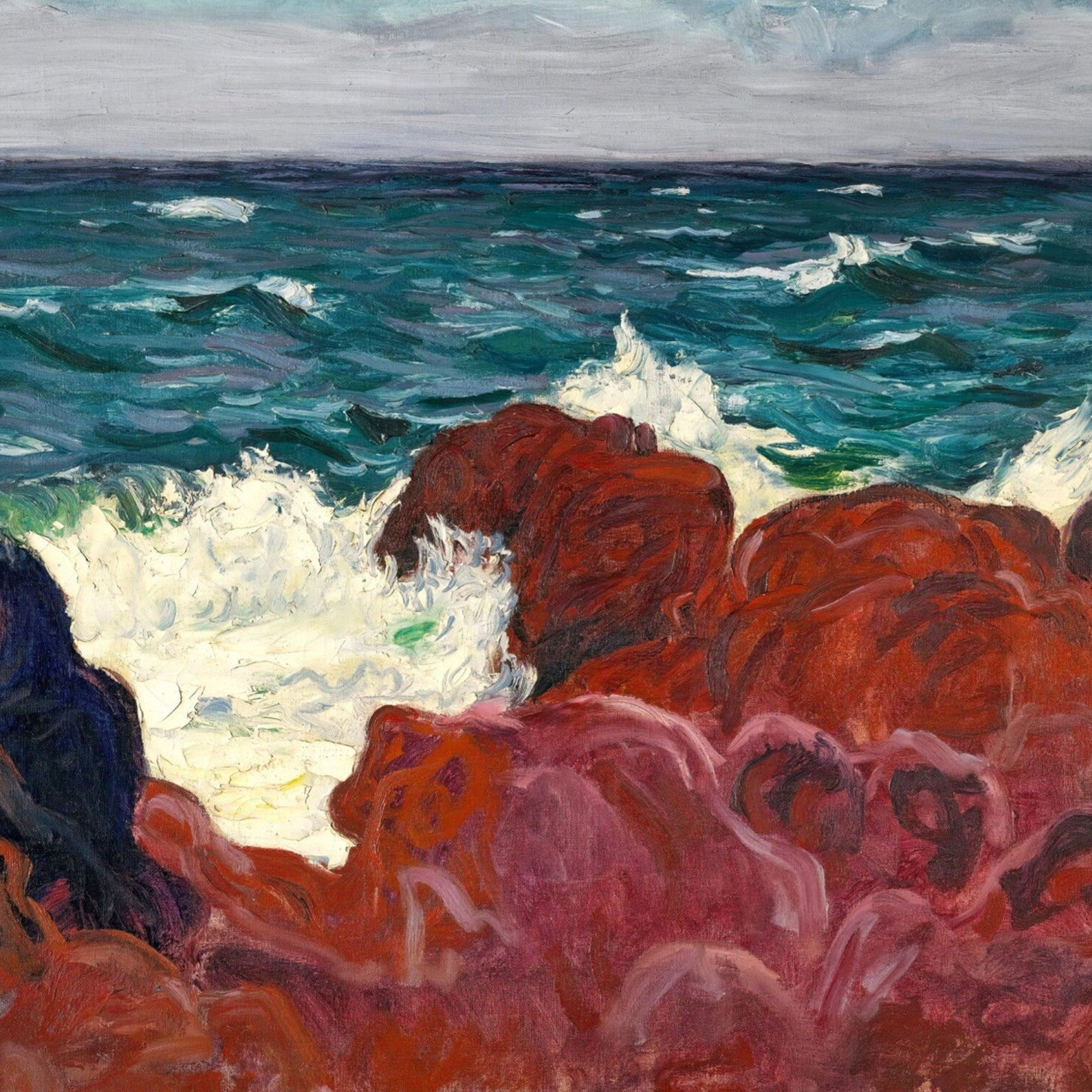
He arrived at Pont-Aven in the winter of 1891–2 and fell in with the circle of artists there, and in 1894 met Paul Gauguin. The two became friends. But the technique was already his: it came from Van Gogh, hundreds of whose paintings O'Conor had seen at Theo van Gogh's Paris apartment two months after Vincent's death in 1890. He began building pictures from thick, parallel bands of vivid, non-naturalistic colour: red rocks, orange fields, striped skies. A fellow painter dubbed him a "stripist". It is a technique that anticipates Fauvism by more than a decade. Gauguin's letters show he expected O'Conor to sail with him back to the South Seas; O'Conor refused, and stayed to paint the coasts of Brittany and, later, the light of the south at Cassis.
He was private to the point of reclusiveness, financially independent, and largely indifferent to fame — which is why so few people knew his work while he lived. He died on 18 March 1940 at Nueil-sur-Layon in France. Nearly a thousand works were still in his studio. They were not dispersed until the Vente O'Conor at the Hôtel Drouot in Paris on 7 February 1956, and only then did the scale of what he had done become clear: here was a leading pioneer of Post-Impressionism among English-speaking artists, and he had been Irish all along.
The brawl at Concarneau, the invitation to the South Seas, the thousand canvases nobody saw, and the Musée d'Orsay buying him in 2021 — the whole story is in Roderic O'Conor: the Irishman who said no to Gauguin.
Timeline
- 1860 — Born 17 October at Milton, Co. Roscommon.
- 1880s — Trains at the Metropolitan School of Art and RHA, Dublin, then Antwerp.
- 1887 — Settles in France, where he will spend the rest of his life.
- 1891–2 — Settles at Pont-Aven.
- 1894 — Meets Gauguin on his return from Tahiti; they become friends.
- 1890s — Develops his striped, high-colour Post-Impressionist style.
- 1900s–1910s — Works in Paris and the south of France; paints at Cassis.
- 1940 — Dies 18 March at Nueil-sur-Layon; recognised posthumously as a Post-Impressionist pioneer.
Where He Painted
He was Irish to the core, but he painted France. Click a pin to see the work tied to each place.
Pont-Aven · the Breton coast · Cassis — the French places that lit up his colour.
Featured Works
Collector's Guide
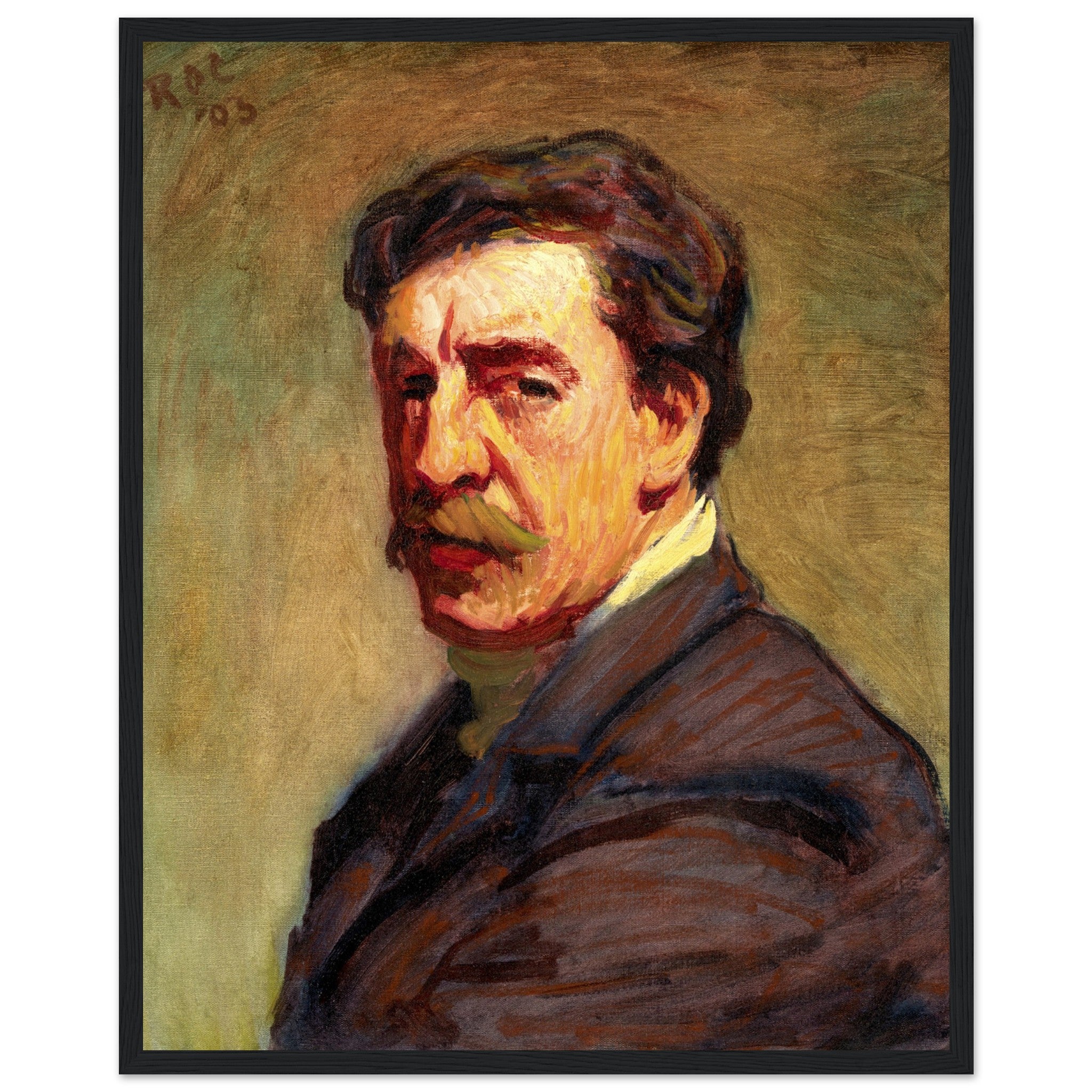
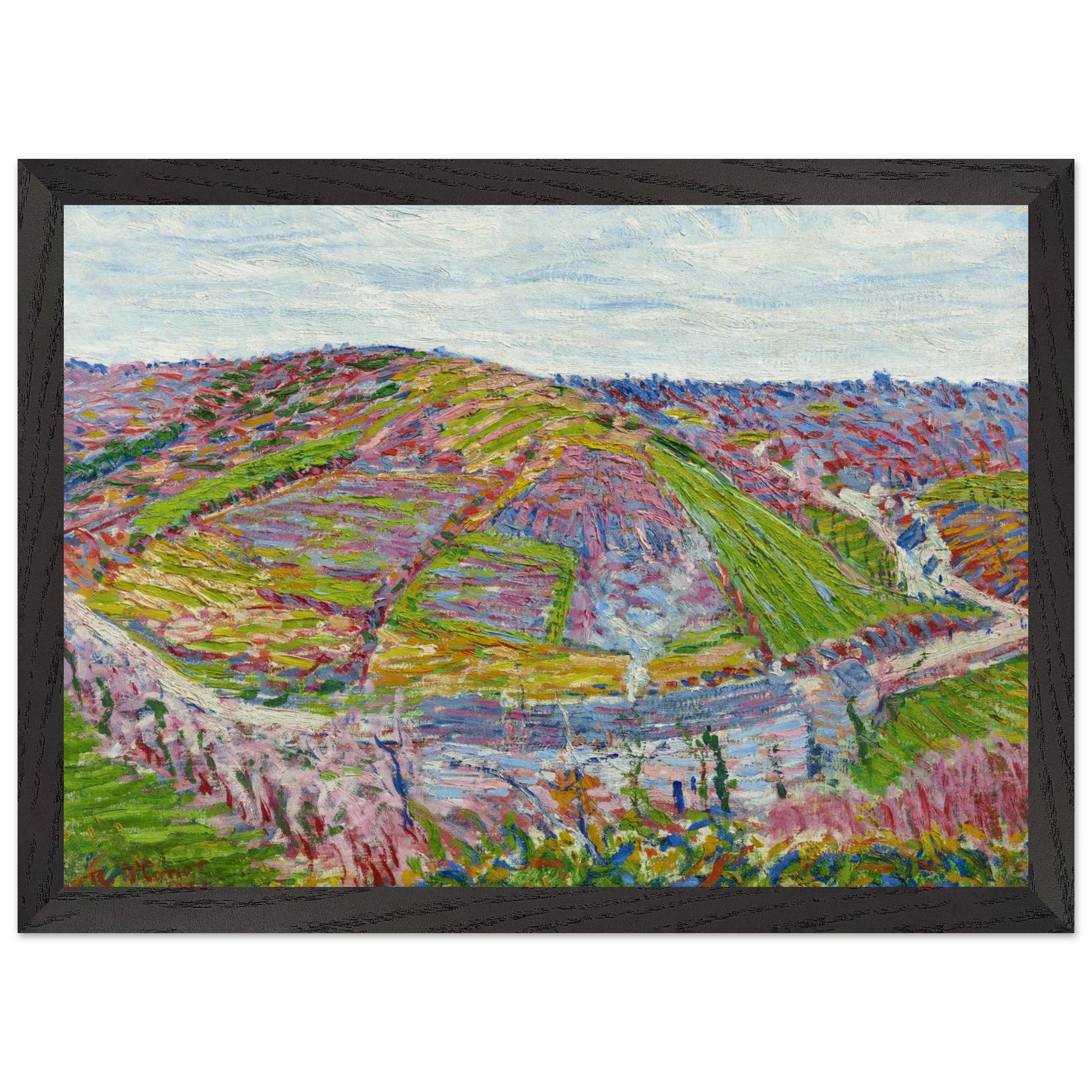
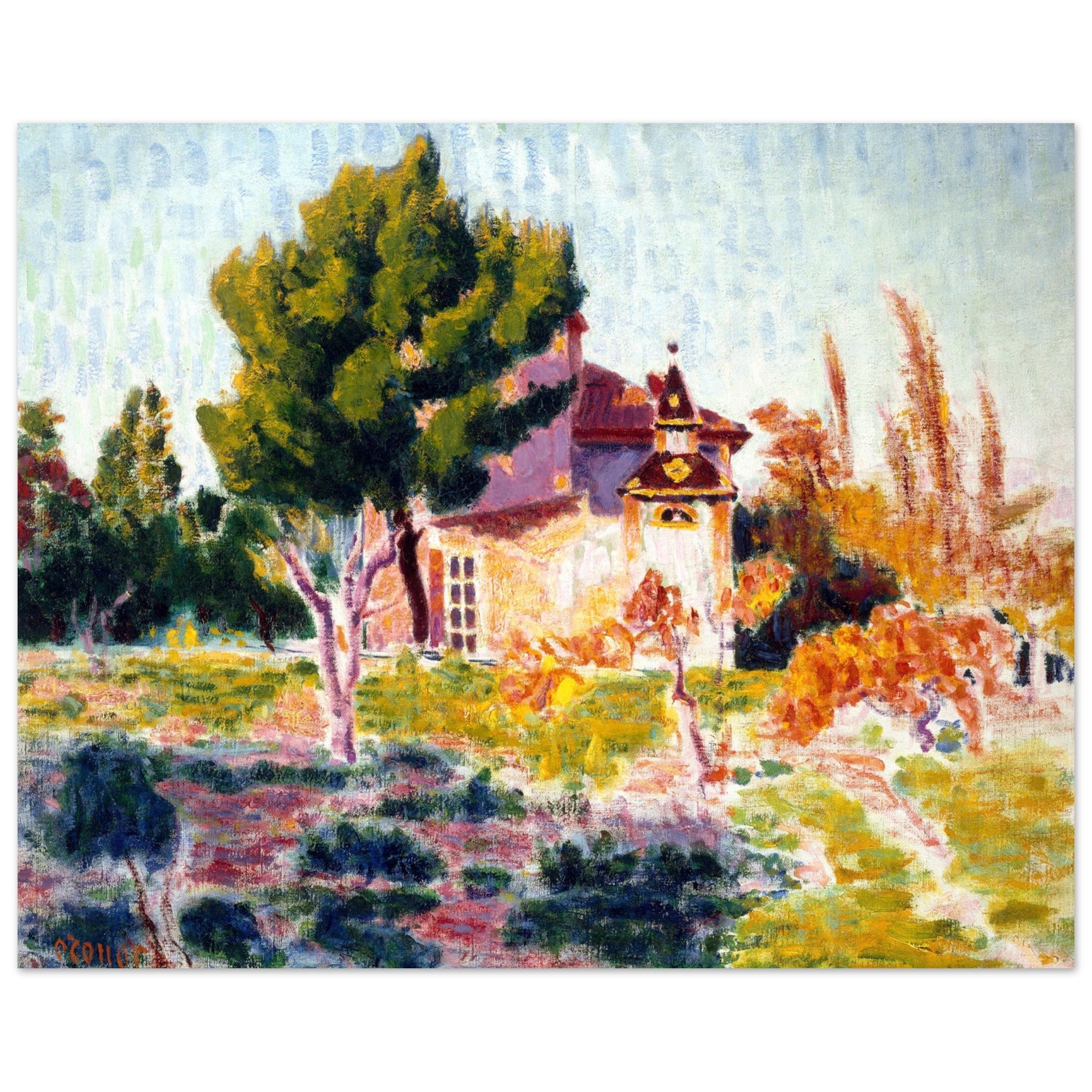
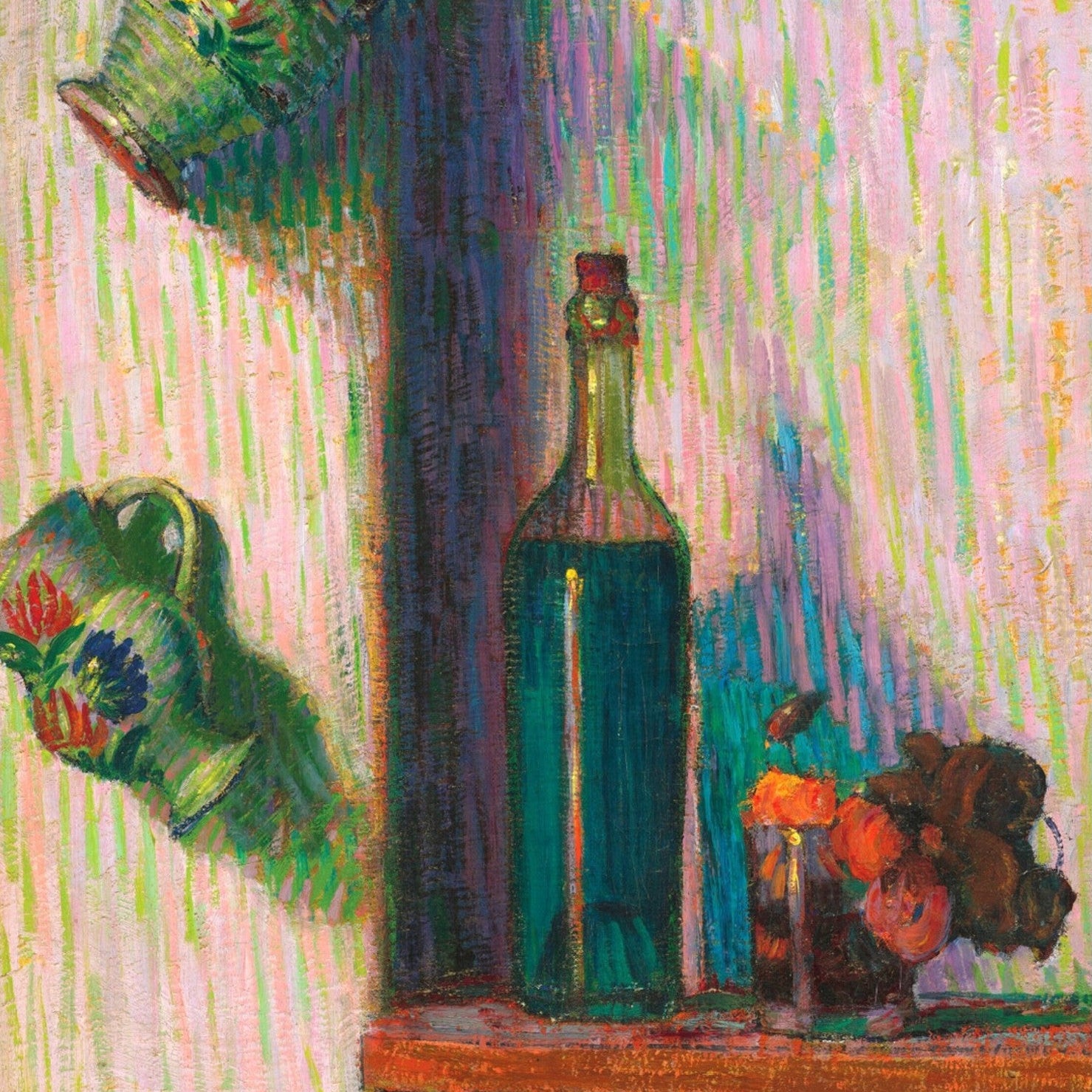
Begin with the picture that defines him: Breton Boy, pure Pont-Aven colour. For the Gauguin years, Paysage, Pont Aven (1892) is the essential landscape; for his still lifes, the richly worked Flowers, Bottle and Two Jugs. His searching Self-Portrait (1903) is the most personal work in the collection, and the southern light of La Rose du Ciel, Cassis shows where his colour finally arrived. Part of our full Irish Art Prints collection.
The O'Conor Lover's Gift Guide
Three ways into his world, at three price points.
- Self-Portrait (1903) — art print · from €55
- Red Rocks and Sea — art print · from €55
- Breton Boy — art print · from €79
Discover Similar Artists
Mainie Jellett — Irish modernism, forged like his in Paris. · Walter Osborne — his exact contemporary, and Ireland's great painter of everyday life. · John Lavery — Ireland's international society painter.